Earthmoving in Adelaide means using excavators, bulldozers, graders and tippers to cut, shift, level and compact soil so a site is ready to build on. It covers house pads, driveways, drainage, dams, subdivisions and commercial sites. Adelaide’s reactive clay, rocky Hills country and sandy coastal soils all change how the work is done, so choosing an experienced, insured local contractor matters.
What does earthmoving include?
Earthmoving is the first stage of almost every construction project. Done well, it gives builders a stable, correctly graded base. Done badly, it causes drainage problems, cracked slabs and costly rework.
Common earthmoving services in Adelaide include:
- Site clearing and topsoil stripping to remove vegetation, rubble and unsuitable material
- Excavation for footings, slabs, basements, pools and sheds
- Cut and fill to level sloping blocks and create building pads
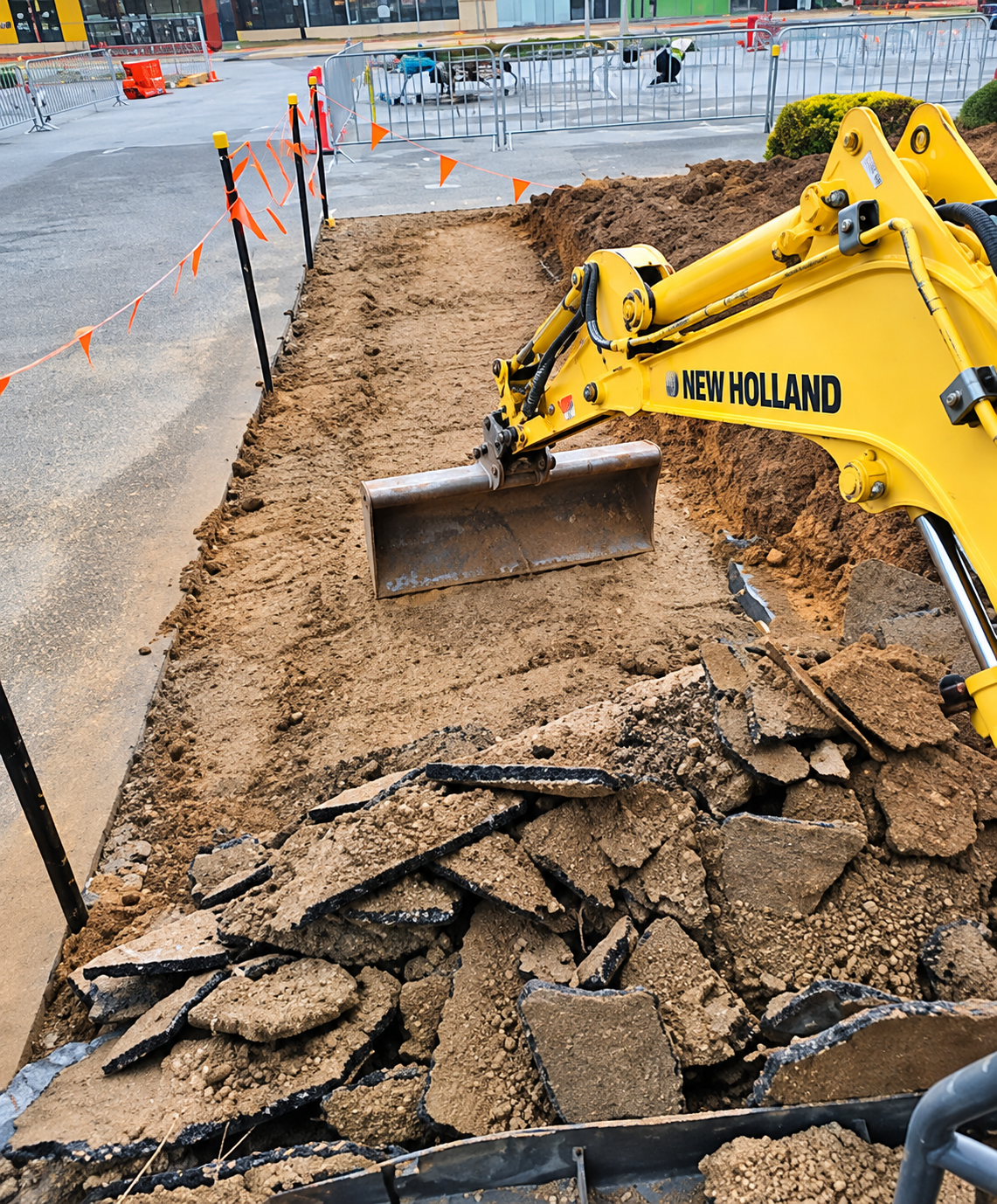
- Trenching for stormwater, sewer, water, gas and power connections
- Driveway, road and hardstand preparation with compacted base material
- Dam and rural earthworks across the Adelaide Hills, Fleurieu Peninsula and northern plains
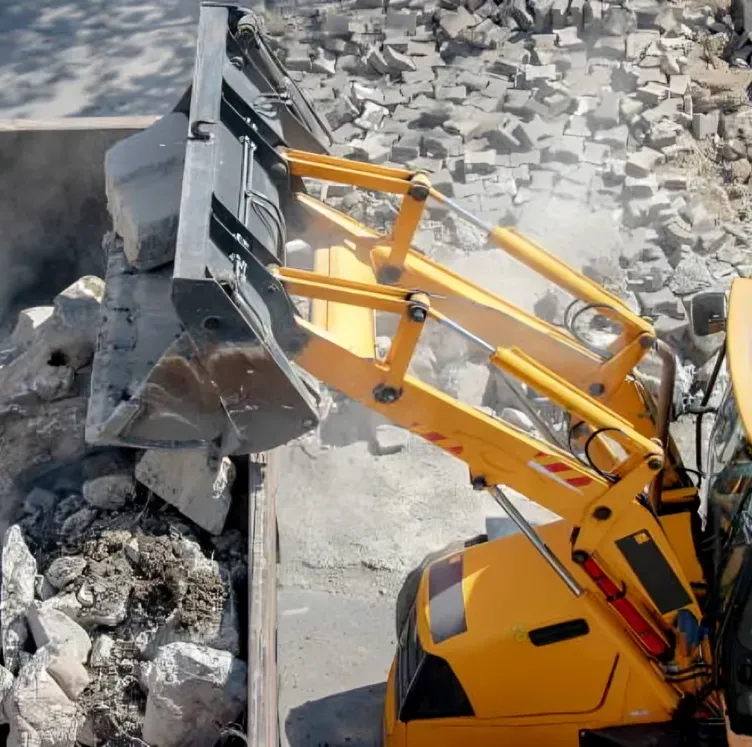
- Soil and spoil removal (cart-away) to an approved disposal site
Why Adelaide ground conditions matter
Adelaide is not one uniform soil type. Much of the plains is reactive clay, which swells when wet and shrinks when dry. That movement affects footing design, drainage and how a site should be prepared. In the Adelaide Hills and parts of the southern suburbs, rock and steep slopes call for rock-capable machines and careful retaining wall planning. Coastal suburbs often have sandy soils that need proper compaction to carry loads.
A site classification or geotechnical report tells your engineer what the ground is doing. A good earthmoving contractor works to those specifications and flags surprises early, such as fill, rock or groundwater, rather than after the machines are on site.
Equipment used on Adelaide earthworks
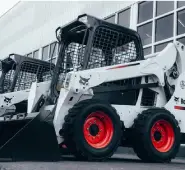
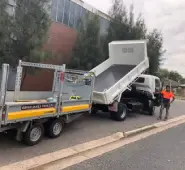
The right machine depends on access and scale. A tight inner-suburban backyard suits a mini excavator or skid steer. A large residential estate or commercial pad needs bigger excavators, dozers, graders, rollers and a fleet of tipper trucks. Ask your contractor which machines they plan to use and why, because the wrong size of plant either wastes money or damages your site.
How to choose an earthmoving contractor in Adelaide
- Check licences and insurance. Ask for a current public liability certificate and confirm operators are trained and, where required, hold the right tickets.
- Confirm underground service checks. Reputable contractors use Dial Before You Dig before any excavation to avoid hitting gas, power, water or telecommunications lines.
- Get a written quote with inclusions. It should state clearing, machine hire, cart-away, tipping fees and compaction, so you can compare quotes like for like.
- Look for local knowledge. Experience with Adelaide clay, council requirements and local disposal sites saves time.
- Ask about waste handling. Excess soil and rubble should go to an approved facility, and contaminated fill needs special handling under EPA South Australia rules.
- Read reviews and ask for references. Recent local projects of a similar size are the best proof.
What affects earthmoving costs?
Prices vary widely, so be wary of any figure quoted without a site inspection. The main cost drivers are:
- Volume of soil to be cut, filled or removed
- Soil and rock type, since hard ground slows machines and wears equipment
- Site access, because tight or sloping sites limit machine size
- Distance to the disposal or fill site and truck numbers
- Compaction and testing requirements set by your engineer
- Weather delays, especially after heavy winter rain
Tip: Adelaide’s drier months, roughly late spring through autumn, are usually easier for earthworks. Winter rain can turn clay sites to mud and push back schedules.
Frequently asked questions
- What does an earthmoving contractor do in Adelaide? An earthmoving contractor clears, excavates, levels, trenches and compacts land for construction, landscaping, drainage or rural projects. They also remove excess soil and prepare building pads to engineer specifications.
- How much does earthmoving cost in Adelaide? Costs depend on soil type, volume, access, machine size and disposal distance. Contractors usually charge by the hour for machine and operator or give a fixed price after inspecting the site. Get at least three written quotes.
- Do I need council approval for earthworks in Adelaide? Often, yes. Requirements depend on the scale of the work, slope, retaining walls and your location. Check with your local council and PlanSA before starting, or ask your builder or certifier.
- What is Dial Before You Dig and do I need it? Dial Before You Dig is a free service that shows where underground utilities run. You should check it before any excavation in Australia, and your contractor should confirm it has been done.
- When is the best time to do earthworks in Adelaide? The drier months, usually late spring to autumn, are best because soil is easier to work and compact. Winter rain can cause delays on clay sites.
- Can earthmoving contractors remove excess soil? Yes. Most offer cart-away to an approved disposal site. Disposal costs and extra rules apply to rubble, rock or contaminated soil, so confirm these in your quote.